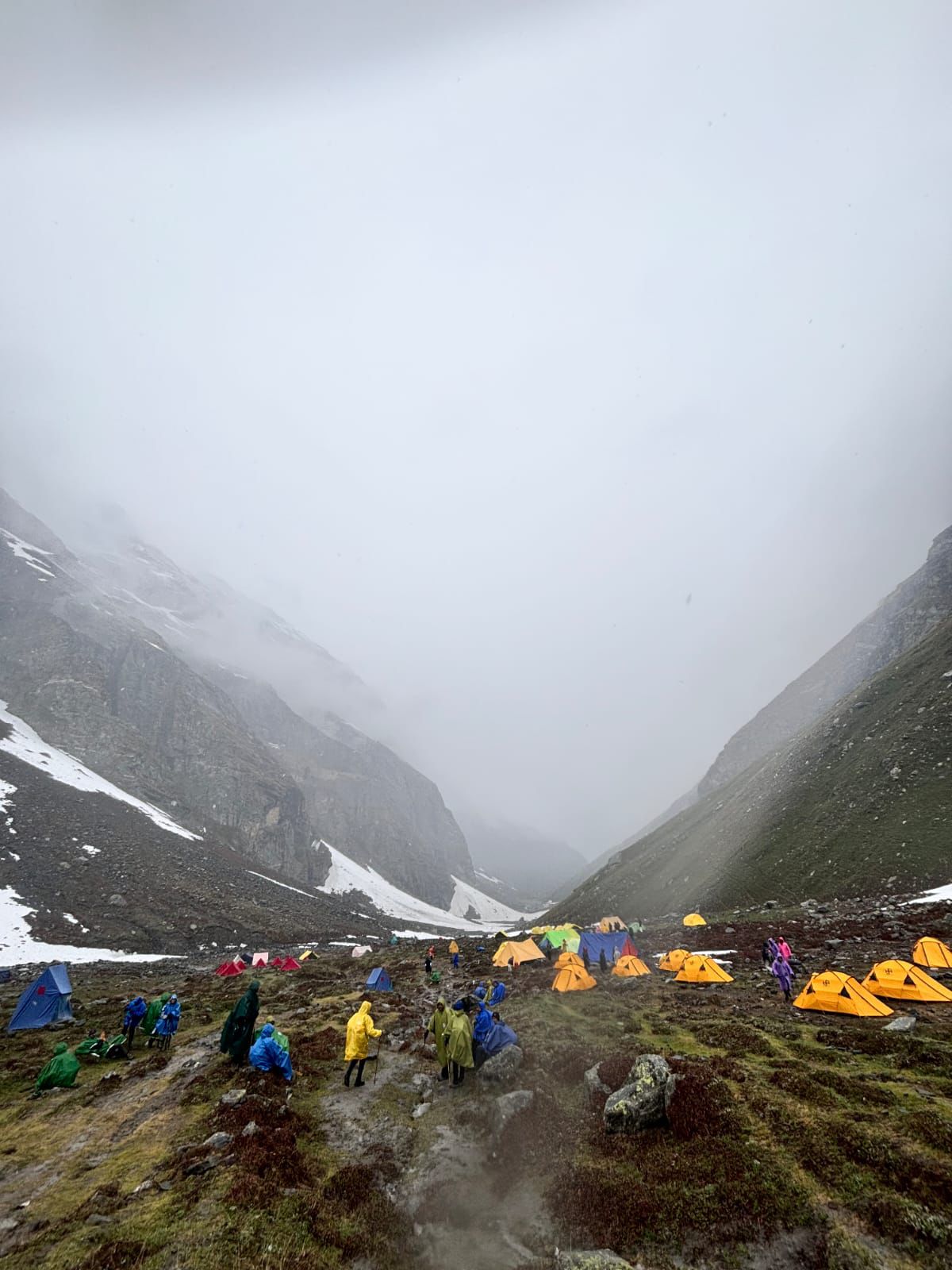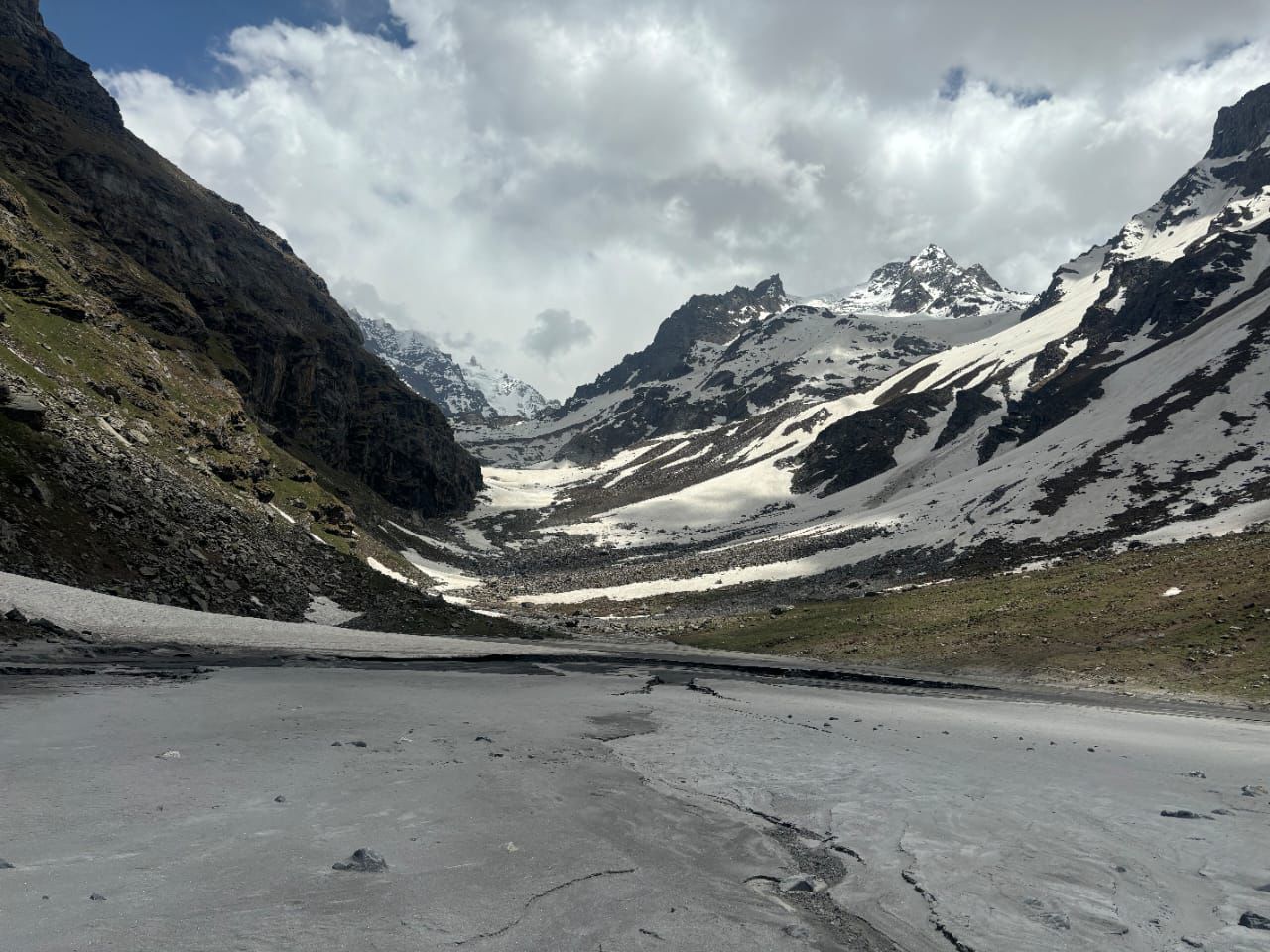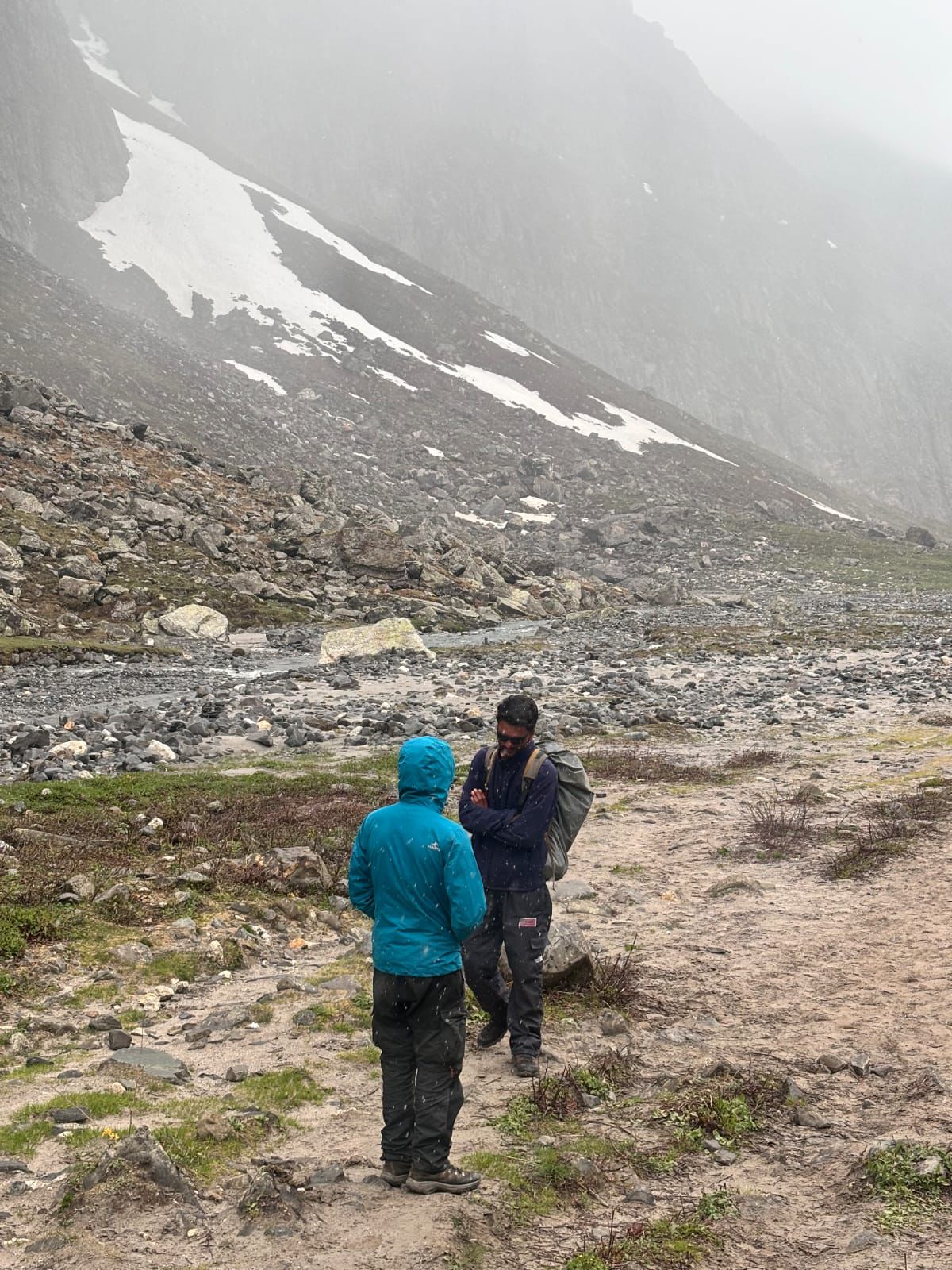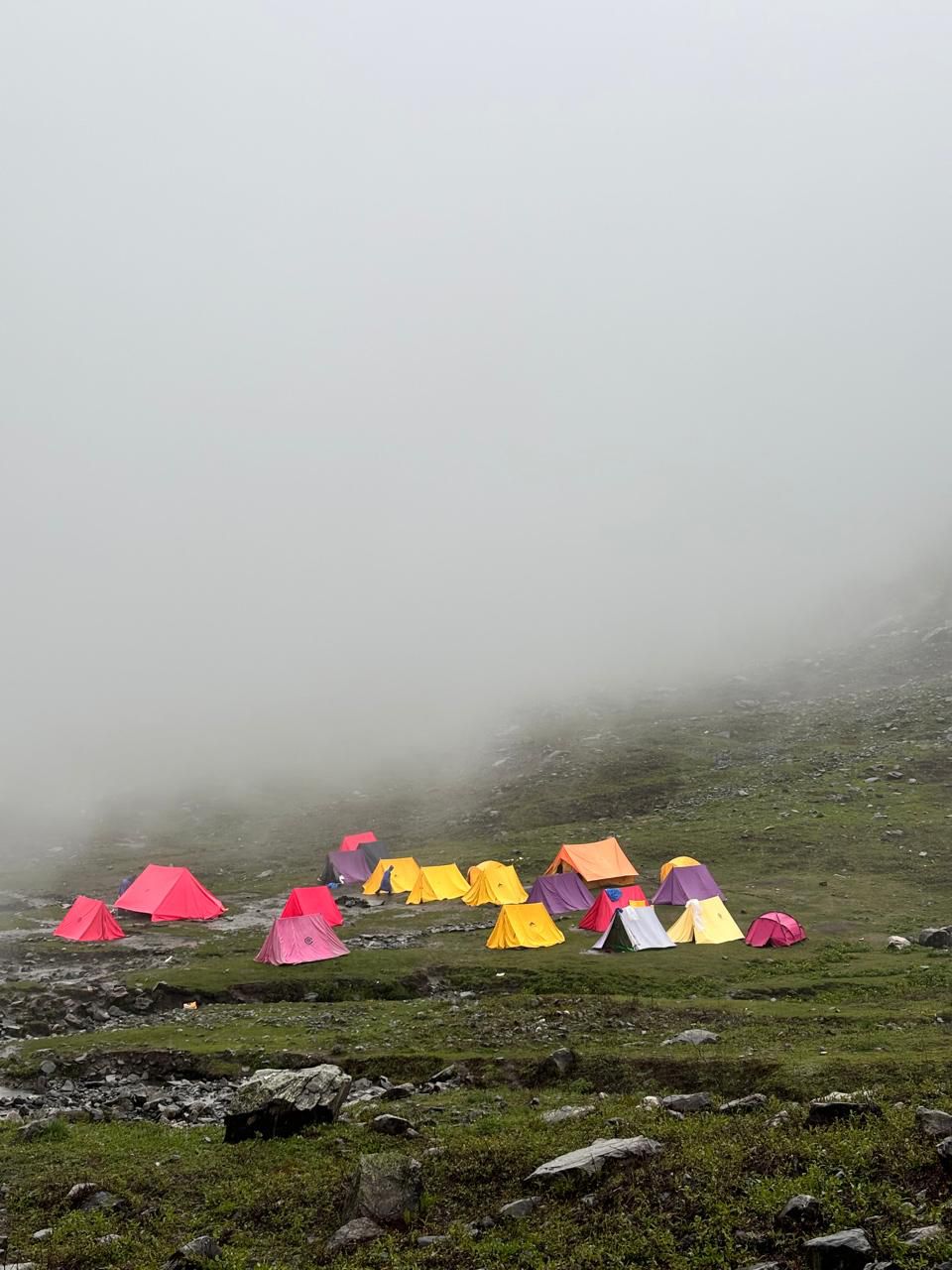
One of the first questions trekkers ask about the Hampta Pass Trek is simple: how cold does it get? The honest answer is that temperatures swing dramatically — warm and pleasant in the lower valleys by day, and near or below freezing at the higher campsites at night. This guide breaks down day and night temperatures by month and campsite, then tells you exactly what to pack.
How Cold Is the Hampta Pass Trek? (Quick Answer)
During the trekking season of June to September, daytime temperatures typically range from 12°C to 20°C in the lower areas, while nighttime temperatures at high campsites drop to -2°C to 5°C. Near the pass at 14,010 ft, it can feel even colder due to wind chill.
In short: pack for both summer days and near-freezing nights.
Hampta Pass Temperature by Month
| Month | Day Temp | Night Temp | Notes |
|---|---|---|---|
| June | 14–20°C | 0–5°C | Snow patches near pass; warm days |
| July | 12–18°C | 2–6°C | Mild, occasional monsoon showers |
| August | 12–18°C | 1–5°C | Lush, humid lower trails |
| September | 10–16°C | -2–4°C | Coldest nights, clearest skies |
September brings the crispest, clearest weather but also the coldest nights, so plan your gear accordingly.
Temperature by Campsite
| Campsite | Altitude | Typical Night Temp |
|---|---|---|
| Chika | 10,100 ft | 4–8°C |
| Balu Ka Ghera | 11,900 ft | 1–5°C |
| Hampta Pass (highest point) | 14,010 ft | Below freezing with wind chill |
| Shea Goru | 12,900 ft | -2–4°C |
| Chatru | Lower | 3–7°C |
The pass itself is the coldest and windiest point. The wind chill at 14,010 ft can make it feel sharply colder than the thermometer suggests.
What to Pack for Each Condition
For Warm Days (12–20°C)
- Moisture-wicking base layer t-shirts
- Quick-dry trekking pants
- Sun hat or cap
- Sunglasses (UV protection critical at altitude)
- Sunscreen SPF 50+
For Cold Nights and the Pass (-2 to 5°C)
- Insulated down or synthetic jacket
- Fleece mid-layer
- Thermal base layers (top and bottom)
- Warm beanie and insulated gloves
- Woolen socks (carry extra dry pairs)
Essential Gear Checklist
- Waterproof trekking shoes with ankle support
- Rain jacket or poncho (especially July–August)
- Headlamp with spare batteries
- Reusable water bottle (2 liters capacity)
- Trekking poles for the steep pass section
Why Temperatures Swing So Much
The Hampta Pass Trek is a crossover trek — you move from the green Kullu valley to the barren Lahaul desert in a single day. This means multiple climate zones in one route. The lower valleys are mild and humid, while the high desert side near Shea Goru is dry and cold. That variety is exactly what makes the trek special, but it’s also why versatile layering matters more here than on many other treks.
Staying Warm and Comfortable
- Layer up before you get cold — once chilled it’s hard to warm back up.
- Keep a dry set of clothes sealed in a plastic bag for sleeping.
- Eat well and stay hydrated — your body generates heat from food and water.
Book with YaatraExpress
YaatraExpress runs Hampta Pass Trek departures from June through September 2026, starting and ending at Manali Bus Stand. ₹5,500 per person all-inclusive covers meals, tents, an experienced guide, and transport. Chat with YaatraExpress on WhatsApp to ask about gear, confirm 2026 dates, and book your spot.
Frequently Asked Questions
How cold does Hampta Pass get at night?
Night temperatures at the higher campsites range from about -2°C to 5°C during the June–September season. September nights are the coldest, and the pass itself can feel below freezing with wind chill.
What is the temperature at Hampta Pass during the day?
Daytime temperatures typically range from 12°C to 20°C in the lower areas. The higher you climb, the cooler it gets.
Which month is the coldest on the Hampta Pass Trek?
September has the coldest nights, dropping to around -2°C, though it also offers the clearest skies and best mountain views.
Do I need a down jacket for the Hampta Pass Trek?
Yes. An insulated down or synthetic jacket is essential for cold nights and the pass crossing, even in summer.
Is it snowing on the Hampta Pass Trek in summer?
You may encounter lingering snow patches near the pass in June. Fresh snowfall is rare in July and August.
What should I pack for the changing temperatures?
Pack in layers: moisture-wicking base layers, a fleece mid-layer, an insulated jacket, thermals, warm gloves and a beanie for nights, plus sun protection for warm days.