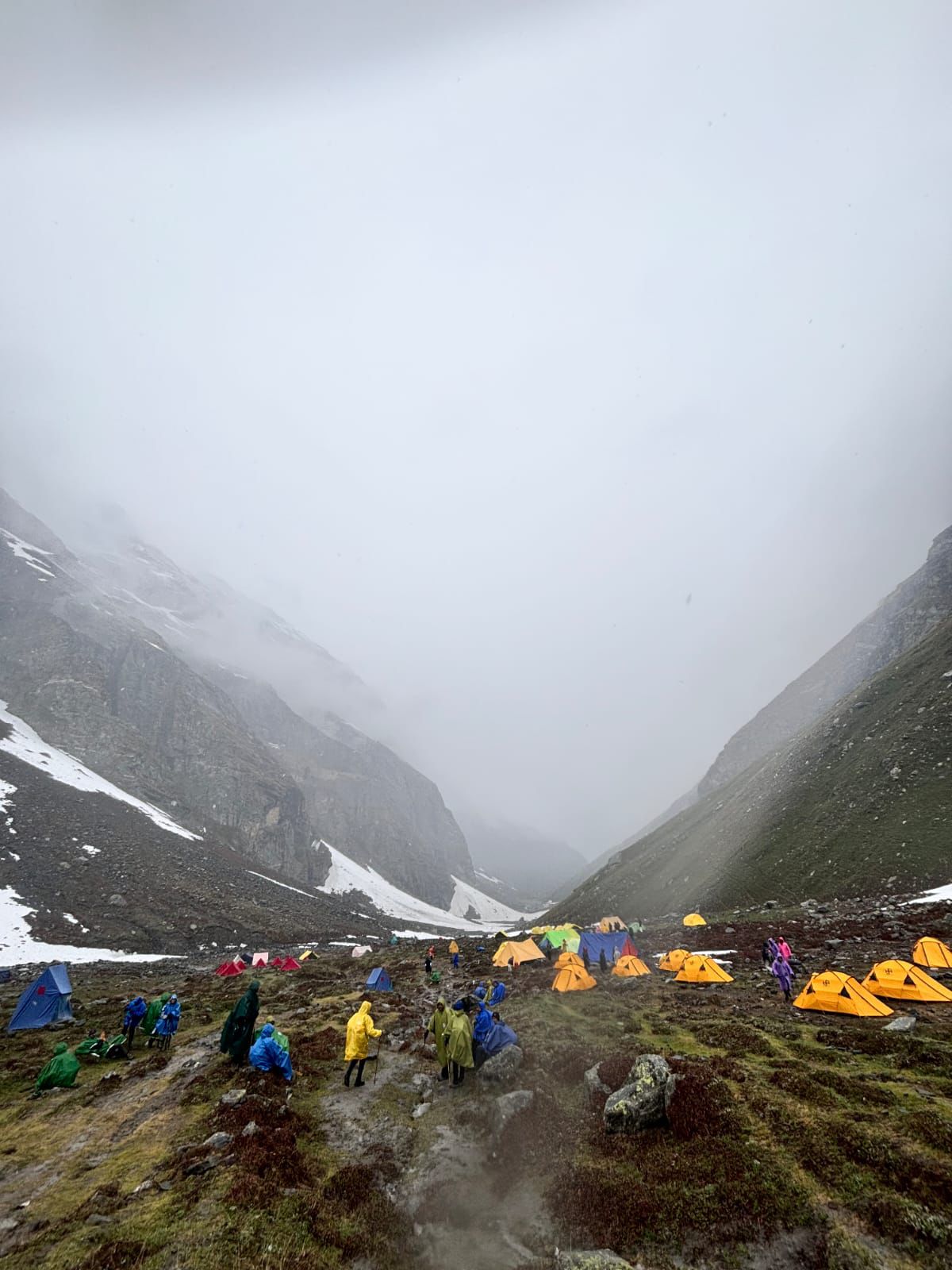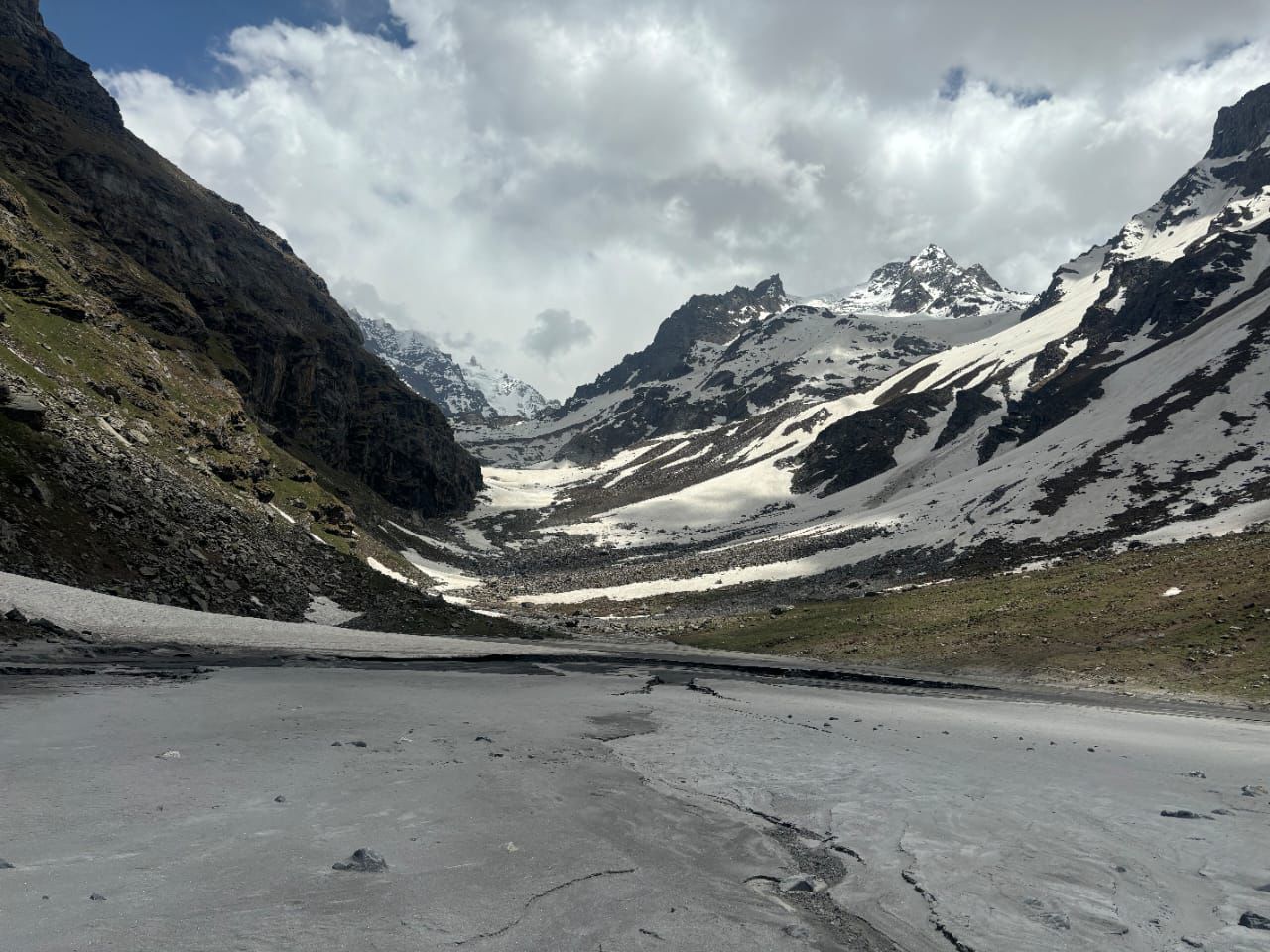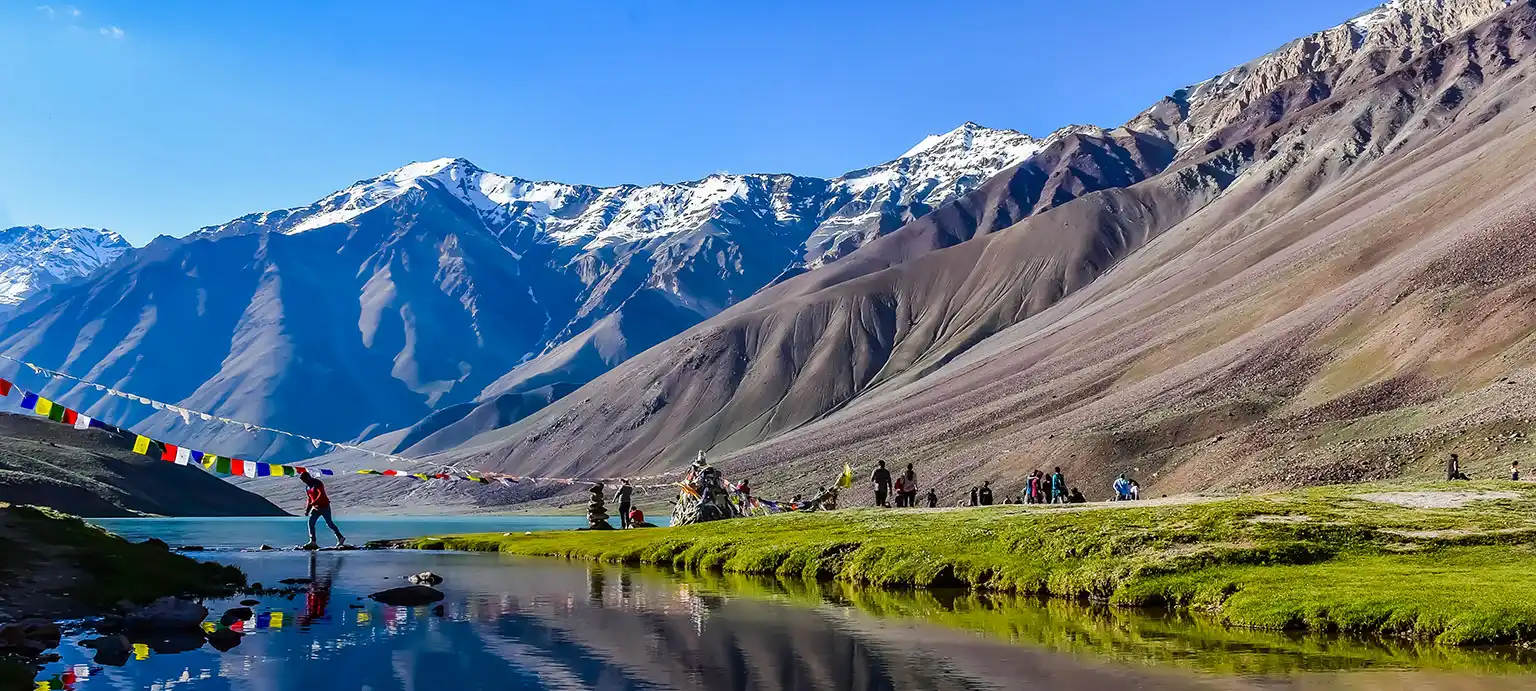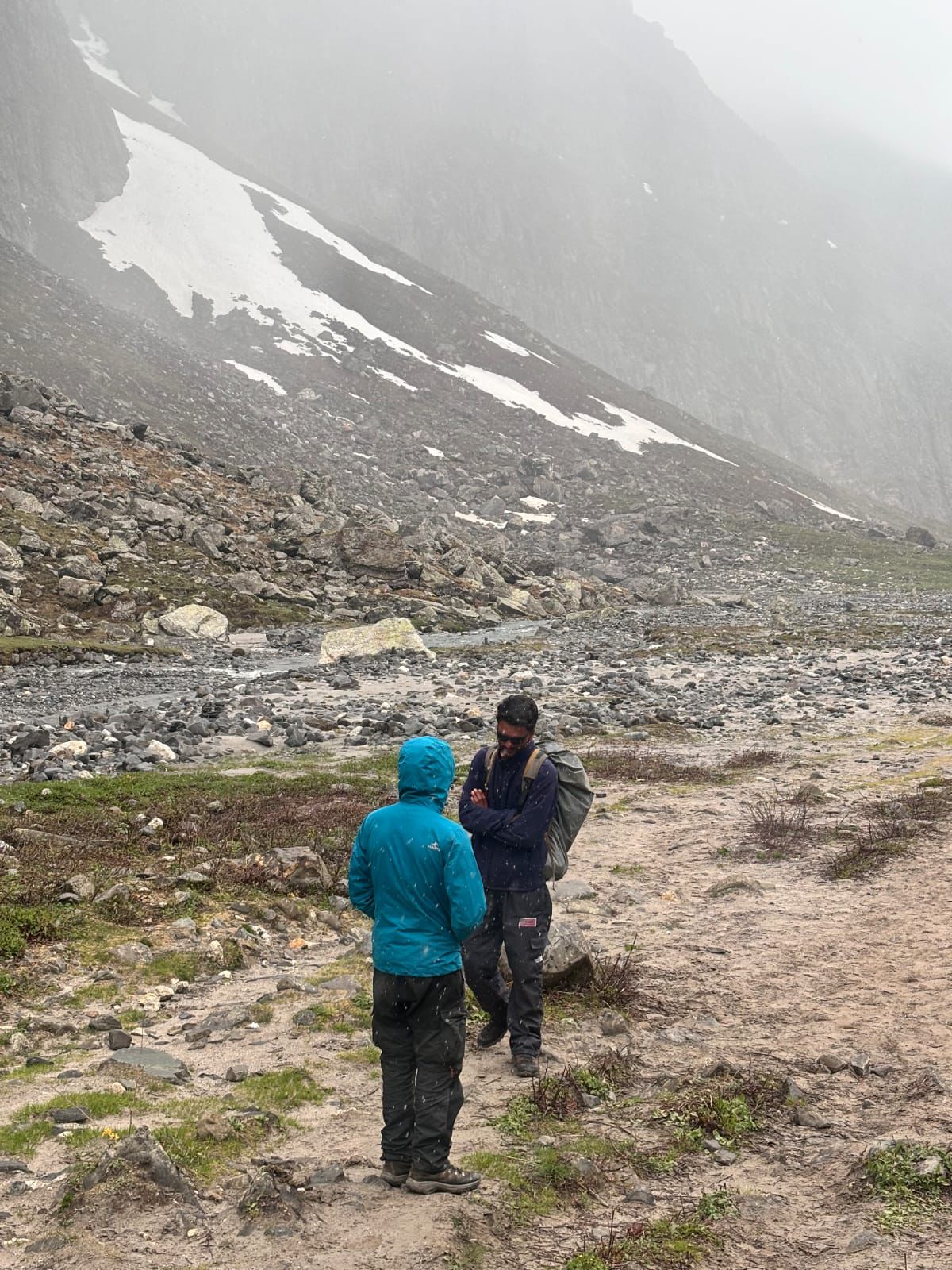
Altitude is the one challenge every Hampta Pass trekker must respect. The trek climbs to 14,010 ft, with a Chandratal Lake visit at 14,100 ft — high enough that altitude sickness is a real possibility. The good news: with the right knowledge and a gradual itinerary, it’s very manageable.
Quick answer: Altitude sickness (Acute Mountain Sickness, or AMS) can affect anyone above ~8,000 ft. On the Hampta Pass Trek, prevent it by ascending gradually, hydrating well, eating enough, and not rushing. Watch for headache, nausea, and fatigue. If symptoms worsen, descend immediately — descent is the most reliable treatment.
What Is Altitude Sickness?
Altitude sickness happens when your body doesn’t get enough oxygen at high elevations, where the air is thinner. It ranges from mild AMS to rare but life-threatening conditions (HAPE and HACE). On a moderate trek like Hampta Pass, most cases stay mild — but recognizing symptoms early is essential.
AMS Symptoms: What to Watch For
| Severity | Symptoms |
|---|---|
| Mild (AMS) | Headache, nausea, fatigue, dizziness, poor sleep, loss of appetite |
| Moderate | Worsening headache, vomiting, shortness of breath at rest |
| Severe (HAPE/HACE) | Confusion, loss of coordination, breathlessness at rest, persistent cough |
Mild symptoms are common and often pass with rest and hydration. Moderate to severe symptoms require immediate descent.
Camp-by-Camp Altitude: What Happens to Your Body
| Day | Location | Altitude | What to Expect |
|---|---|---|---|
| 1 | Chika | 10,100 ft | Mild thinning of air; light headache possible |
| 2 | Balu Ka Ghera | 11,900 ft | Noticeable effort; hydrate and rest well |
| 3 | Hampta Pass → Shea Goru | 14,010 ft → 12,900 ft | Highest point; move slow, then descend to sleep lower |
| 4 | Chandratal → Chatru | 14,100 ft visit | Brief high-altitude visit, then drop in elevation |
A key principle is built in: on Day 3 you climb high but sleep lower at Shea Goru (12,900 ft). This “climb high, sleep low” pattern is one of the best natural defenses against AMS.
How to Prevent Altitude Sickness on the Hampta Pass Trek
- Ascend gradually — the itinerary already does this; don’t rush ahead.
- Hydrate constantly — aim for 3–4 liters of water daily.
- Eat well — your body needs calories to acclimatize, even if appetite drops.
- Avoid alcohol and smoking — both worsen altitude effects.
- Walk at a steady, slow pace — “pole, pole” (slowly, slowly) is the mountain mantra.
- Sleep well — rest helps your body adapt.
- Listen to your guide — report symptoms early, never hide them.
Medications: What Helps
Always consult a doctor before your trek about altitude medication:
- Diamox (Acetazolamide): A prescription medication that aids acclimatization. Many trekkers use it preventively under medical advice.
- Painkillers: Paracetamol/ibuprofen for altitude headaches.
- Anti-nausea medication: For mild stomach upset.
Never self-prescribe Diamox without medical guidance.
When to Turn Back
The mountain isn’t going anywhere — your safety comes first. Descend immediately if you experience:
- Symptoms that worsen despite rest and hydration
- Vomiting that won’t stop
- Breathlessness while resting
- Confusion, slurred speech, or loss of coordination
- An inability to walk in a straight line
Descent is the single most effective treatment for serious altitude sickness.
Trek Safely with YaatraExpress
YaatraExpress runs the Hampta Pass Trek with certified guides, an acclimatization-friendly itinerary, oximeter and first-aid support — all included in the ₹5,500 per person price from Manali Bus Stand. Chat with YaatraExpress on WhatsApp to discuss any health concerns and book a June–September 2026 departure.
Frequently Asked Questions
Can you get altitude sickness on the Hampta Pass Trek?
Yes. The trek reaches 14,010 ft, so altitude sickness (AMS) is possible. The gradual itinerary and “climb high, sleep low” structure on Day 3 help reduce the risk significantly.
What are the symptoms of altitude sickness?
Common AMS symptoms include headache, nausea, fatigue, dizziness, poor sleep, and loss of appetite. Severe symptoms like confusion and breathlessness at rest require immediate descent.
How do I prevent altitude sickness on the Hampta Pass Trek?
Ascend gradually, drink 3–4 liters of water daily, eat well, avoid alcohol, walk slowly, and report symptoms to your guide early.
Should I take Diamox for the Hampta Pass Trek?
Diamox can aid acclimatization, but you must consult a doctor before taking it. Never self-prescribe altitude medication without medical advice.
When should I turn back on the trek?
Turn back and descend immediately if symptoms worsen despite rest, you experience persistent vomiting, breathlessness at rest, or any confusion or loss of coordination.
Does the Hampta Pass itinerary help with acclimatization?
Yes. The route gains altitude gradually across campsites and uses a “climb high, sleep low” pattern on Day 3, descending from 14,010 ft to sleep at Shea Goru (12,900 ft).